

How can bio-based renovation solutions developed in Europe respond to the construction needs and climatic conditions of other regions?
BIO4EEB explored this question at EXPO CAPAC 2026, the flagship fair of the Panamanian Chamber of Construction (CAPAC), held at the Panama Convention Center in Panama City from 24 to 27 September 2026.
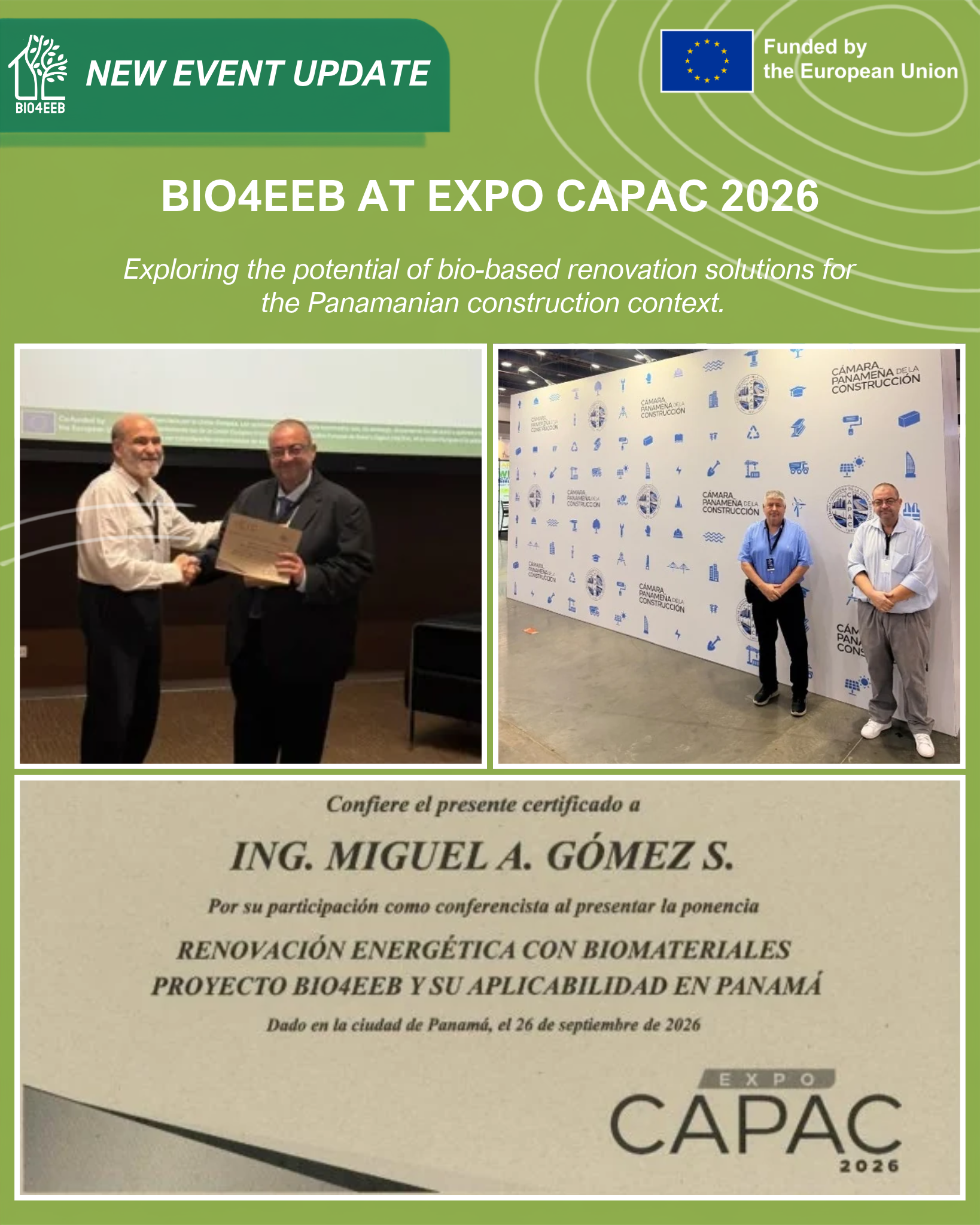
On 26 September, project partner Solintel M&P was invited to contribute to the event’s technical programme with a conference entitled “Energy renovation with biomaterials: the BIO4EEB project and its applicability in Panama”. The session was delivered by Eng. Miguel A. Gómez and Juan Manuel Mieres as part of the academic programme organised by the Construction Industry Training Institute (ICIC), within the CAPAC Futuro Forum.
The presentation introduced BIO4EEB to an audience of engineers, architects, contractors and construction professionals, while opening a discussion on the potential of the project’s solutions beyond the European context.
From BIO4EEB’s research to practical renovation solutions
The session began with an overview of BIO4EEB, its objectives and the development of bio-based solutions for improving building energy performance.
The speakers presented the project’s work on insulation materials and renovation components, including applications based on Posidonia oceanica, bio-based foams, prefabricated panels and innovative window solutions.
They also introduced the technical development activities carried out within the project, covering material characterisation, panel development, low-carbon prefabricated façade systems, fire behaviour and durability. The preparation of the European demonstrators was another part of the presentation.
This provided the technical background for the central topic of the session: how these solutions could be assessed for use in a different construction and climatic context.
Exploring the applicability of bio-based renovation in Panama
A dedicated part of the presentation examined the potential transferability of BIO4EEB’s solutions to Panama. Rather than assuming that approaches developed for European buildings could be directly replicated, the analysis considered local construction practices, available resources, climatic conditions and regulatory requirements.
The assessment included several complementary aspects:
- Thermal performance: Comparing the thermal transmittance (U-values) of conventional hollow concrete block walls with alternatives incorporating bio-based panels.
- Local biomass resources: Exploring potential Panamanian biomass feedstocks, including rice straw, with reference to research conducted by the Technological University of Panama (UTP).
- Climate suitability: Considering hygrothermal simulation methods based on EN 15026 and WUFI to assess building components under humid tropical conditions.
- Environmental performance: Examining life cycle assessment (LCA) and embodied carbon in comparison with conventional insulation materials.
- Economic and regulatory considerations: Looking at construction cost indicators and alignment with Panama’s Sustainable Building Regulation (RES v2, JTIA 002/2023).
Together, these elements provided a basis for discussing the technical, environmental and economic considerations involved in adapting bio-based renovation approaches to local conditions.
Sharing BIO4EEB with the international construction sector
The conference took place within the wider programme of EXPO CAPAC, which brought together construction professionals, companies, suppliers, institutions and other sector stakeholders. The 39th edition featured more than 300 national and international exhibitors and over 50 conferences, technical talks and presentations.
BIO4EEB’s session opened the programme in Salón Pacífico 5 on Saturday 26 September, placing the project among the technical discussions on innovation and sustainable construction taking place during the fair.
The event also provided several opportunities to increase the visibility of the presentation. The organisers promoted the session through Instagram stories on the official @feriascapac account, the event application and the printed programme. A highlights video published during the fair included an excerpt from the presentation.
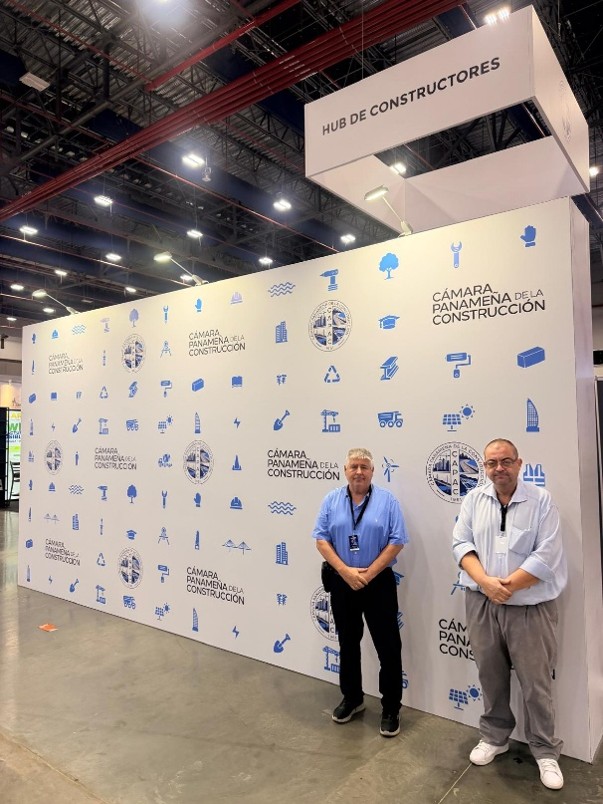
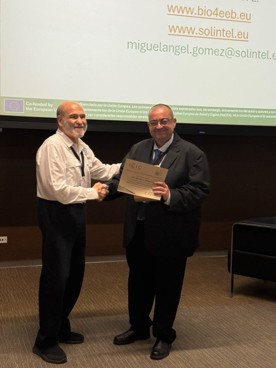
Alongside the conference, Solintel also presented BIO4EEB at the Contractors HUB, extending the project’s visibility within the exhibition area. The presentation included the BIO4EEB website and the European Union co-funding acknowledgement. Following the session, the ICIC issued a certificate of participation to Eng. Miguel A. Gómez.
Connecting European innovation with local construction needs
BIO4EEB’s participation in EXPO CAPAC 2026 extended the project’s dissemination activities to an audience beyond Europe and provided an opportunity to examine the relevance of its work in a different construction context.
The Panama analysis highlighted that transferring bio-based renovation solutions requires more than considering the properties of the materials themselves. Climate conditions, local biomass resources, construction practices, environmental performance, costs and regulatory frameworks all need to be taken into account.
By bringing these considerations to the attention of construction professionals in Panama, Solintel helped introduce BIO4EEB’s approach to a new audience and contributed to the wider exchange on the potential of bio-based materials for more sustainable building renovation.